
 The Division of Water Resource Management (DWRM) is responsible for implementing state laws providing for the protection of the quality of Florida’s drinking water, ground water, rivers, lakes, estuaries, wetlands and the reclamation of mined lands.
The division is composed of several programs that perform water facilities regulation along with operational support services and functions. The majority of division staff is located in Tallahassee; however, the Mining and Mitigation, Oil and Gas, Phosphate Management and Onsite Sewage programs have staff operating in satellite offices throughout the state.
The division serves as Florida’s central point of contact for federally delegated water programs, such as National Pollutant Discharge Elimination System (NPDES), Drinking Water, Underground Injection Control (UIC) and the assumed State 404 Program, and has regulatory oversight of certain functions of water and wastewater facilities throughout Florida. These facilities include industrial and domestic wastewater, septic tanks, NPDES stormwater, power plants, municipal separate storm sewer systems (MS4s) and public drinking water systems. The division is also responsible for permitting phosphate mineral processing facilities and associated phosphogypsum stack systems, the environmental resource permitting of mines and mitigation banks and coordinates the interagency review and certification for building, operating and maintaining power plants, transmission lines and natural gas pipelines.
We continue to work toward safeguarding Florida’s water resources and enhancing natural systems through partnering with local communities, and providing a more certain, consistent and effective regulatory process.

Implements Florida's Underground Injection Control program, which provides necessary disposal while protecting underground sources of drinking water.

Oversees professional licensing of water and wastewater treatment operators.
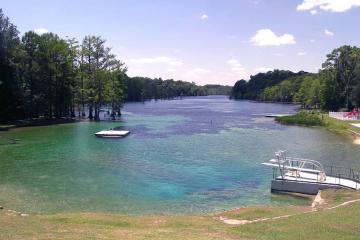
Works with wastewater utilities and Florida residents to protect and conserve water resources while meeting the basic public health need for effective wastewater treatment.

Provides technical support for mining projects and mine reclamation, stormwater/surface water management systems, dam safety, and other in-water activities or works.

Regulates facilities and activities that discharge to surface waters and ground waters of the state.
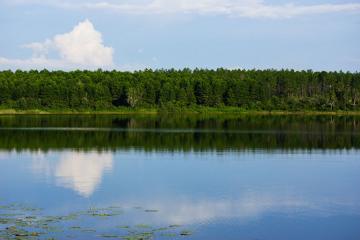
The Mining and Mitigation Program regulates mining in Florida. Staff review ERPs and reclamation plans for mines and handle permitting, compliance, inspection and enforcement activities at mine sites.
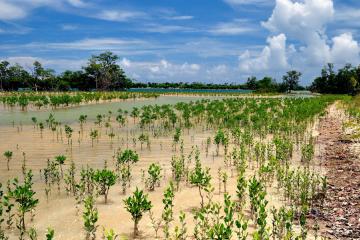
Funding for the reclamation of mined phosphate lands, mined prior to 1975, identified in a 1980 report.
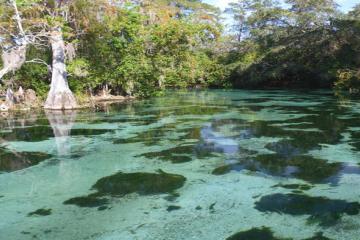
Regulates point source discharges from three potential sources: Municipal Separate Storm Sewer Systems (MS4s), construction activities and industrial activities.

Primary responsibilities include conservation of oil and gas resources, correlative rights protection, maintenance of health and human safety, and environmental protection.
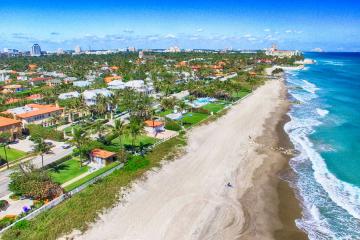
Onsite sewage treatment and disposal systems (OSTDS), commonly referred to as septic systems, are currently used for wastewater disposal by approximately 30% of Florida’s population
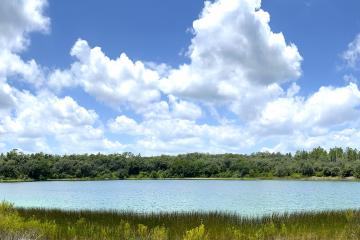
The Phosphate Management Program implements industrial wastewater permitting, compliance, and enforcement activities for the phosphate industry.
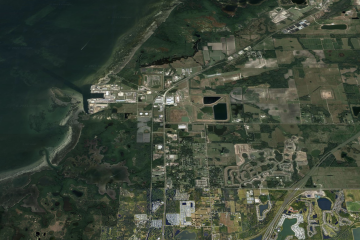
Piney Point Site Closure Progress Response and Closure Activities | Frequent Questions | Timeline | Archived Updates PINEY POINT CLOSURE ACTIVITIES Current Status of Closure Work: OGS-South: CLOSED...

The Siting Coordination Office coordinates the licensing for power plants, transmission lines and natural gas pipelines that trigger the Siting Acts.
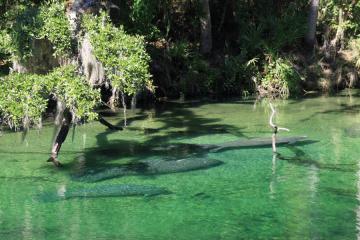
DEP has the primary role of regulating any public water system in Florida that provides water to 25 or more people for at least 60 days each year or serves 15 or more service connections.

Submerged Lands and Environmental Resource Coordination is responsible for the consistent implementation of the Environmental Resource Program and State 404 Program statewide.

Leads statewide coordination of compliance and enforcement activities relating to the Industrial Wastewater, Domestic Wastewater and the NPDES Stormwater programs.
Interested in subscribing to DEP newsletters or receiving DEP updates through email?
Sign UpThe Florida Department of Environmental Protection is the state’s lead agency for environmental management and stewardship – protecting our air, water and land. The vision of the Florida Department of Environmental Protection is to create strong community partnerships, safeguard Florida’s natural resources and enhance its ecosystems.
Learn More